Let the Season Win: How Embracing Balinese Food Rhythms Cured My Off-Season Kitchen Rut
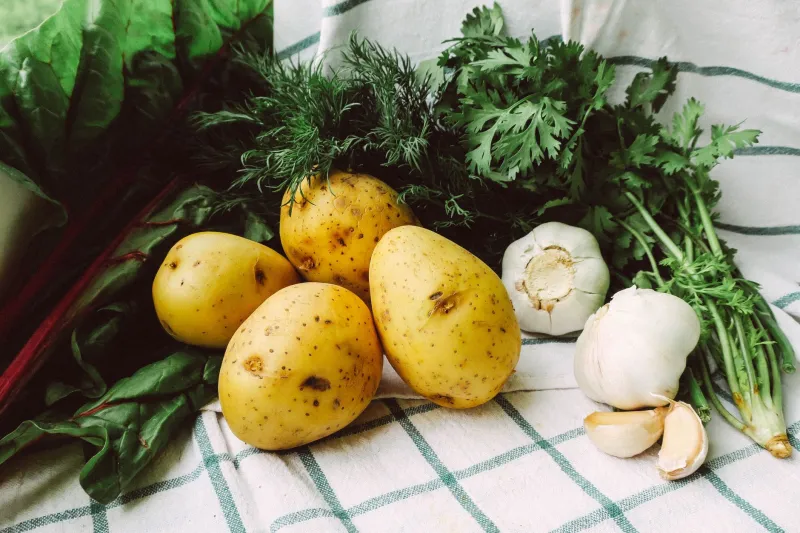
Somewhere around February, most American home cooks hit a wall. The holiday excitement is over. The farmers' market is sparse or closed entirely. The grocery store is technically stocked — it's always technically stocked — but the tomatoes taste like refrigerated water and the strawberries were grown on a different continent. You're making the same rotation of meals you've made since November, and nothing feels particularly alive.
This is what happens when you cook inside a system designed to pretend seasons don't exist. And it's a problem that Balinese food culture never developed, because Balinese cooking never tried to fight the calendar in the first place.
A Kitchen That Moves with the Land
Bali has two primary seasons — the wet season (musim hujan) that runs roughly from November through March, and the dry season (musim kemarau) from April through October. The shift between them is dramatic. Rainfall patterns change, rivers swell and recede, and the agricultural landscape transforms in ways that are visible to anyone paying attention.
Balinese cuisine pays attention. Deeply.
During the wet season, certain leafy greens flourish in the abundant moisture. Tropical fruits peak at different windows throughout the year. Temple ceremonies — which drive a significant portion of traditional Balinese cooking — are calibrated to agricultural and lunar cycles, meaning the food prepared for ritual purposes shifts with what the land is producing. There's no concept of sourcing an ingredient from somewhere else because it's out of season locally. The season is the menu.
What this creates, counterintuitively, is not deprivation. It creates anticipation. It creates mastery. When a specific ingredient is only available for a few weeks, Balinese cooks have developed extraordinary depth in how they use it — fermented preparations that extend it, dried versions that carry its flavor into leaner months, fresh applications that celebrate it at peak ripeness. The seasonality itself becomes a source of creativity rather than a constraint.
The Year-Round Grocery Store Did Something Strange to Us
The American food system made an implicit promise somewhere in the mid-20th century: you can have anything, anytime. Strawberries in January. Asparagus in October. Corn in March. The infrastructure required to deliver on that promise — global supply chains, industrial cold storage, produce engineered for durability over flavor — is genuinely impressive from a logistics standpoint.
But it did something subtle and damaging to how American home cooks relate to food. It severed the connection between eating and place. It made seasonality feel like a lifestyle choice rather than a natural reality. And it created a kind of culinary flatness — a year-round availability of everything that somehow results in a narrowing of what most people actually cook.
When you can get any ingredient any time, the decision fatigue is real. You fall back on the same twenty recipes because the options feel infinite and therefore paralyzing. You buy tomatoes in February because they're there, eat them, feel vaguely disappointed, and wonder why cooking has started to feel like a chore.
The Balinese model offers a different proposition: let the season make the decision for you. When the options are constrained by what's actually growing nearby, the creative problem becomes more interesting and more tractable. What can I do with what I actually have, right now, at its best?
What Seasonal Surrender Actually Looks Like in an American Kitchen
Adopting a Balinese-inspired seasonal approach doesn't require moving to Ubud or abandoning your grocery store entirely. It requires a shift in orientation — from what do I want to cook to what is genuinely good right now.
In practical terms, this might start with a commitment to buying only one or two produce items from outside your regional season per week, and building everything else around what's local and current. In deep winter across most of the US, that means leaning hard into storage crops: winter squash, root vegetables, dried beans, fermented and preserved foods, hearty brassicas like kale and cabbage that actually improve after a frost.
This is where the Balinese tradition of fermentation and preservation becomes genuinely instructive. Balinese kitchens use fermentation not as a health trend but as a practical seasonal tool — extending the abundance of one period into the scarcity of another. The same logic applies beautifully to American seasonal cooking. A summer glut of tomatoes becomes winter pasta sauce. Peak-season corn becomes frozen kernels that actually taste like corn in February. Herb abundance in July becomes dried and frozen stores that carry flavor through the grey months.
The flavor payoff is immediate and significant. A butternut squash roasted in November from a local farm — grown in actual soil, cured properly, cooked at peak sweetness — is a categorically different ingredient than the same squash shipped from across the country and sitting in a distribution warehouse for two weeks. The Balinese understanding that freshness and locality are inseparable isn't a romantic notion. It's a flavor fact.
The Herbs That Carry You Through
One area where Balinese seasonal cooking offers particularly rich lessons for American wellness-oriented cooks is in the use of medicinal and culinary herbs as seasonal anchors.
Balinese jamu tradition — the practice of preparing herbal tonics and preparations from fresh plant material — is deeply seasonal. Certain roots and leaves are used heavily during the wet season when respiratory and digestive challenges are more common. Others come forward during the dry season heat. The herb garden isn't a static resource; it's a seasonal pharmacy that shifts its offerings in response to what the body needs at different times of year.
American herb gardens can work the same way. Tulsi (holy basil) peaks in late summer and is traditionally associated with adaptogenic support during high-stress periods. Elderberry ripens in early fall, exactly when immune support becomes relevant as the school year starts and temperatures drop. Nettle emerges in early spring when the body is transitioning out of winter's heaviness. These aren't coincidences — they're the kind of alignment between plant timing and human need that traditional cultures noticed and built their wellness practices around.
Growing even a small selection of these herbs and using them in sync with their natural seasons connects your kitchen to a rhythm that's both ancient and genuinely useful.
Boredom Is a Symptom, Not a Condition
The off-season kitchen rut that so many American home cooks experience isn't really about a lack of ingredients. It's about a disconnection from the logic that makes cooking feel meaningful — the logic that says this food, in this place, at this moment is something worth paying attention to.
Balinese food culture never lost that logic because it never tried to transcend the seasons. It worked with them, celebrated them, built ceremony and community around the transitions between them.
You don't have to overhaul your entire pantry or your meal planning system to access some of that. You just have to start asking, once a week, what's actually at its best right now — and let that answer lead somewhere unexpected. The season will surprise you, if you let it.

