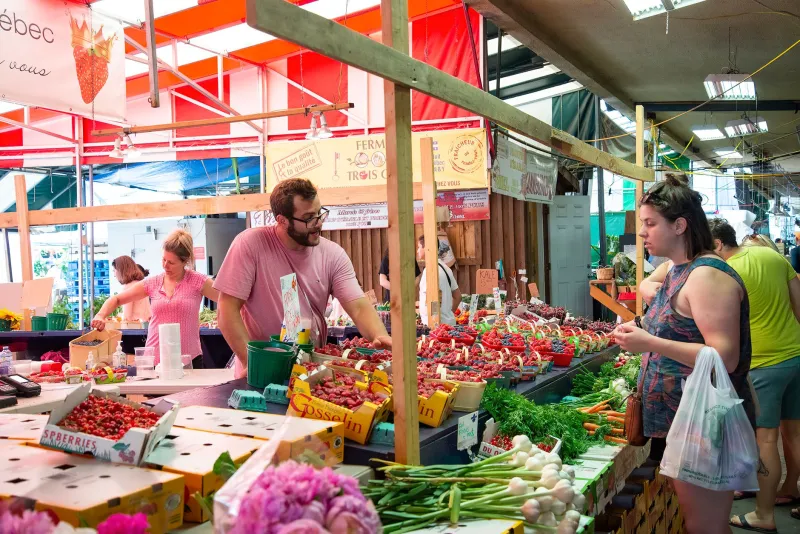
Ubud Organic Market Balinese Roots, American Tables

Ubud Organic Market

Balinese Roots, American Tables

Latest Articles

No Oven Required: What a Balinese Stovetop Kitchen Can Do for Your Energy Bill
Kitchen Craft & Technique

No Oven Required: What a Balinese Stovetop Kitchen Can Do for Your Energy Bill

Most Balinese home kitchens have never had an oven, and they still turn out deeply flavored, varied meals every day. Here's the practical playbook — steam, wok sear, leaf-grill, slow simmer — that keeps the kitchen cool and the electric bill down.

Breakfast Doesn't Have to Be Sweet or Eaten in a Car
Community & Food Access

Breakfast Doesn't Have to Be Sweet or Eaten in a Car

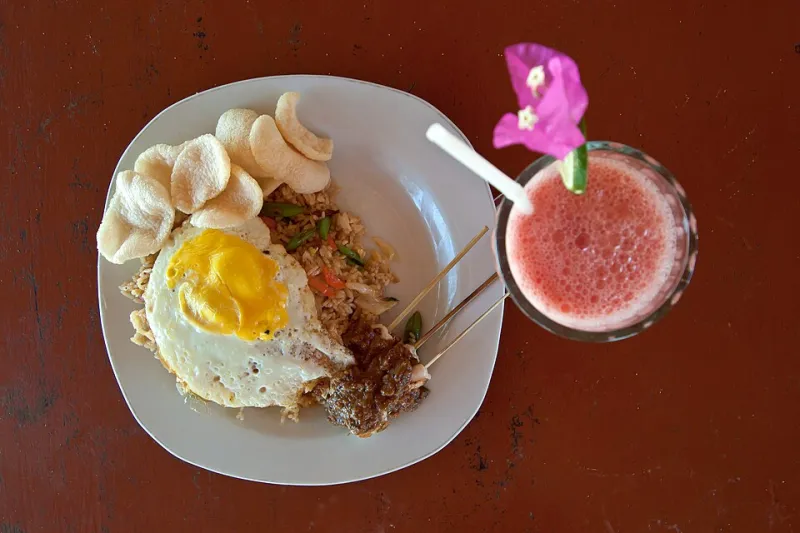
In Ubud, 7 a.m. often means fried rice made from last night's leftovers, eaten sitting down. That's not exotic — it's a template. An argument for reclaiming the savory, leftover-first morning meal without buying a single new appliance.

Twenty Cents of Coconut and Rice Flour: The Case Against the Wellness Snack Aisle
Wellness & Herbalism

Twenty Cents of Coconut and Rice Flour: The Case Against the Wellness Snack Aisle

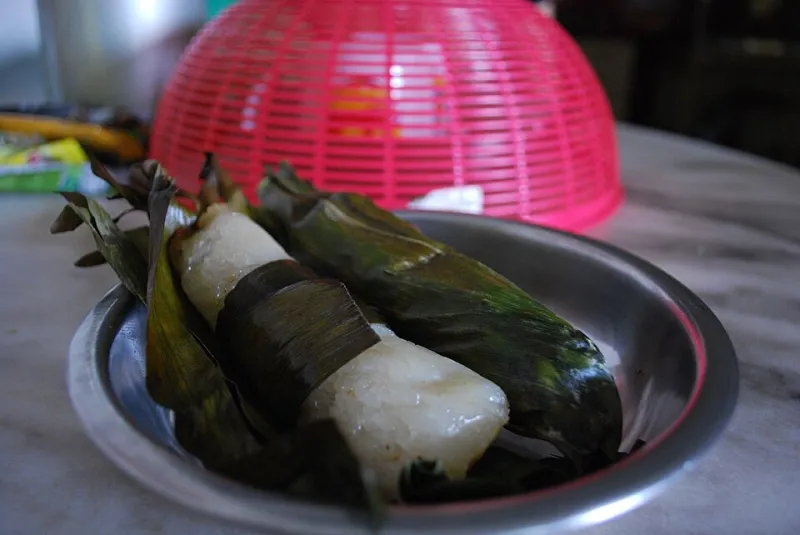
Balinese market stalls sell small, fresh, coconut-and-rice-flour sweets called jaje for pocket change — eaten mid-morning with coffee and company. Compared to a four-dollar protein bar eaten alone at a desk, the math gets embarrassing fast.

The Leaf Is the Lid: Why Banana Leaves Beat Foil for Steaming at Home
Kitchen Craft & Technique

The Leaf Is the Lid: Why Banana Leaves Beat Foil for Steaming at Home

Banana-leaf wrapping is a practical Balinese technique that steams, protects, and perfumes food without foil's metallic edge or plastic's waste. Here's how it works, why pepes tastes the way it does, and which US substitutions actually deliver.

Your Apartment Kitchen Is Too Small for Dinner—and That’s a Design Problem
Community & Food Access

Your Apartment Kitchen Is Too Small for Dinner—and That’s a Design Problem

In Bali, cooking is often a shared, semi-public act. In too many American apartments, it is a private chore squeezed into a galley kitchen. This opinion piece argues that renters need communal prep spaces, shared pantries, and neighborhood cooking rooms—not just another delivery app.

A Counter, a Recipe, a Regular: How Warungs Rewrite the American Food-Business Start Line
Food Business & Livelihoods

A Counter, a Recipe, a Regular: How Warungs Rewrite the American Food-Business Start Line

Bali's tiny neighborhood warungs aren't scaled-down restaurants. They're a discipline of small menus, low overhead, and local trust. Here's what American cottage-food cooks and micro-restaurant hopefuls can borrow in 2026—without pretending the regulations are the same.

Sold Out by Noon: What Balinese Markets Understand About Food That American Grocery Stores Never Will
Sustainable Growing

Sold Out by Noon: What Balinese Markets Understand About Food That American Grocery Stores Never Will

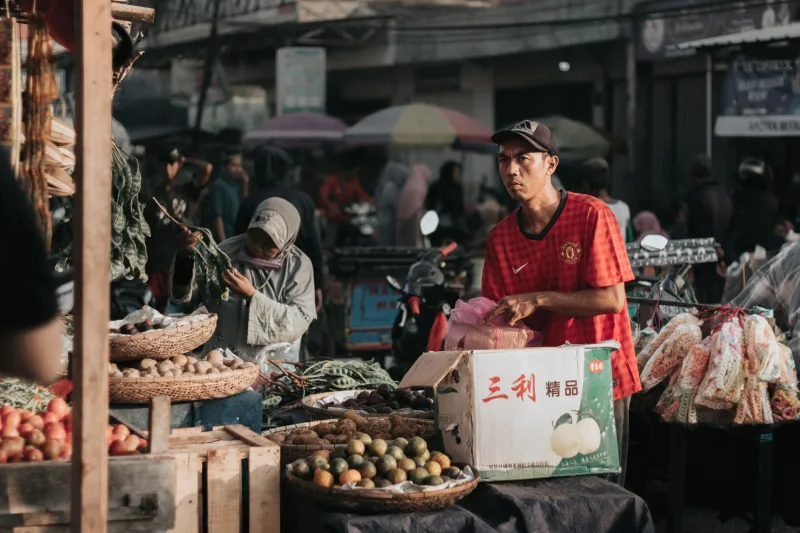
In Bali, the market is finished before most Americans have had their second cup of coffee—and that's exactly the point. The rhythm of early-morning, sell-it-or-lose-it market culture creates something our 24-hour grocery store model has quietly destroyed: genuine connection between food, community, and place. Here's why scarcity might be the most radical thing American food culture could embrace right now.

One Herb, Seven Days: The Balinese Way of Making an Ingredient Last All Week
Wellness & Herbalism

One Herb, Seven Days: The Balinese Way of Making an Ingredient Last All Week

In Balinese cooking, a single herb doesn't just season one dish—it anchors an entire week of meals in different forms, from fresh to cooked to steeped. This approach isn't just resourceful; it's a masterclass in flavor, nutrition, and intentional eating. Here's how to take one ingredient from your farmers market and stretch it across your whole week without ever getting bored.

Cold Storage Is a Shortcut—Here's What Balinese Kitchens Do Instead
Sustainable Growing

Cold Storage Is a Shortcut—Here's What Balinese Kitchens Do Instead

Traditional Balinese kitchens have never relied on a freezer, and the food coming out of them is richer, more complex, and far less wasteful than anything sitting in your icebox right now. From fermentation crocks to sun-dried spice pastes, these preservation methods have sustained entire communities for centuries. Here's how to bring that wisdom into your American kitchen starting this week.

Buy Whole, Cook Better: How a One-Time Balinese Spice Haul Beats Your Grocery Store Spice Rack All Year
Wellness & Herbalism

Buy Whole, Cook Better: How a One-Time Balinese Spice Haul Beats Your Grocery Store Spice Rack All Year

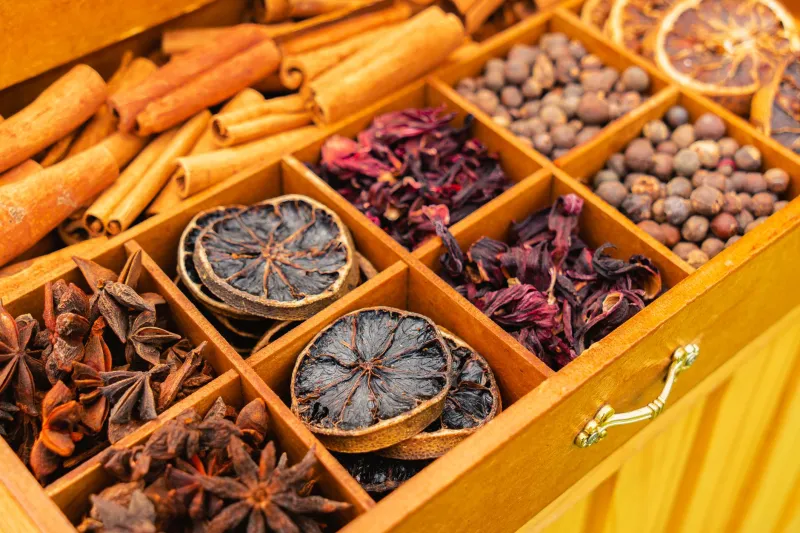
Pre-ground spices from the supermarket are convenient, expensive, and a fraction as potent as their whole counterparts. Building a Balinese-inspired spice foundation from quality bulk sources costs less than you'd think — and it changes your cooking in ways that a dusty jar of ground cumin simply cannot.

Your Nose Knows Better Than That Timestamp: Rethinking Food Safety the Balinese Way
Sustainable Growing

Your Nose Knows Better Than That Timestamp: Rethinking Food Safety the Balinese Way

Balinese home cooks have never needed a printed date to know when food is good. Rediscovering their sensory-first approach could slash American household food waste by nearly a third — and it starts with trusting the instincts you already have.

Plant Everything Together: The Balinese Polyculture Method That's Quietly Outgrowing American Garden Rows
Sustainable Growing

Plant Everything Together: The Balinese Polyculture Method That's Quietly Outgrowing American Garden Rows

Forget the tidy rows. Balinese farmers have been growing vegetables, herbs, and fruit trees in intentional, layered combinations for centuries — and American gardeners who've borrowed the technique are seeing bigger harvests, fewer pests, and richer soil. Here's how to design your own productive polyculture plot.

Let the Season Win: How Embracing Balinese Food Rhythms Cured My Off-Season Kitchen Rut
Wellness & Herbalism

Let the Season Win: How Embracing Balinese Food Rhythms Cured My Off-Season Kitchen Rut

Balinese cuisine doesn't fight the seasons — it surrenders to them completely, and the food is extraordinary for it. American home cooks stuck in a year-round supply chain loop are discovering that leaning into seasonal scarcity, the way Balinese cooks have always done, unlocks flavors and cooking techniques they never knew they were missing. This is what that shift actually feels like.

Cassava Over Quinoa: Why the Balinese Approach to Everyday Crops Is Quietly Winning
Sustainable Growing

Cassava Over Quinoa: Why the Balinese Approach to Everyday Crops Is Quietly Winning

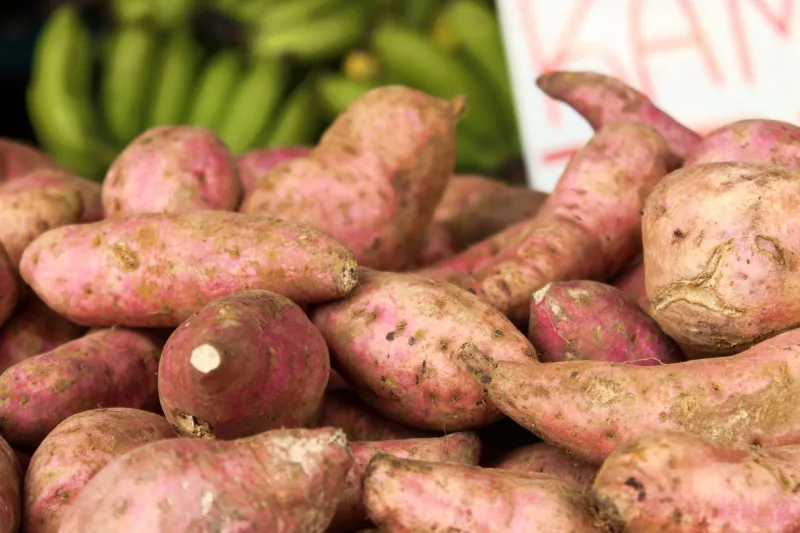
Balinese farmers have never chased a superfood trend in their lives — and their communities are healthier for it. As American gardeners grow tired of expensive, imported miracle foods, they're turning to the humble, deeply nutritious staple crops that Balinese agricultural culture has championed for centuries. Cassava, sweet potato, and backyard greens are having their moment, and it's long overdue.

Same-Day Food: What Ubud's Market Culture Can Actually Teach American Neighborhoods
Sustainable Growing

Same-Day Food: What Ubud's Market Culture Can Actually Teach American Neighborhoods

In Ubud, food moves from field to table in hours — not days, not weeks. That hyper-local rhythm is something American farmers' market organizers and CSA operators are actively trying to rebuild, and the results are changing how entire neighborhoods think about freshness, waste, and community. Here's what that looks like on the ground.

Stop Meal Prepping. Start Shopping Like a Balinese Grandmother.
Wellness & Herbalism

Stop Meal Prepping. Start Shopping Like a Balinese Grandmother.

What if the Sunday meal prep grind you've been optimizing for years is actually making your food worse, your stress higher, and your community thinner? Daily market shopping—a cornerstone of Balinese food culture—is quietly changing how a growing number of Americans think about nourishment, one fresh bundle of lemongrass at a time.

Ancient Mold, Modern Protein: What Balinese Fermentation Knew Before the Lab-Grown Meat Hype
Sustainable Growing

Ancient Mold, Modern Protein: What Balinese Fermentation Knew Before the Lab-Grown Meat Hype

While Silicon Valley pours billions into lab-grown meat and plant-based engineered proteins, Balinese kitchens have been solving the protein puzzle with a piece of white mold and a handful of soybeans for centuries. The science behind traditional tempeh and Balinese fermented proteins isn't just impressive—it might be the most sustainable, accessible, and nutritionally complete answer to America's meat obsession.

Nothing Gets Thrown Away: The Balinese Art of Finishing Every Last Bite
Wellness & Herbalism

Nothing Gets Thrown Away: The Balinese Art of Finishing Every Last Bite

Americans throw away roughly 80 billion pounds of food every year—a number so large it has become almost meaningless. In Bali, a spiritual and deeply practical relationship with food makes waste not just uncommon but culturally unthinkable. Here's what that philosophy looks like in a real kitchen, and how it's finding a home in American homes that are done watching good food rot.

Sustainable Growing

Sharing the Flow: What Bali's 1,000-Year-Old Water Cooperatives Can Fix in Your Neighborhood Garden

Bali's subak system has kept rice paddies alive and communities connected for over a millennium — and it turns out the model translates surprisingly well to American neighborhoods fighting over hose access and raised bed politics. We look at what this ancient cooperative framework actually is, why it works, and how US community gardens are quietly borrowing from it right now.

Wellness & Herbalism

What Balinese Grandmothers Know About Food That Your Favorite Wellness Brand Never Will

The women who have kept Balinese culinary traditions alive for generations aren't selling a cleanse — they're practicing a form of food knowledge so grounded and so old that it makes most American wellness trends look like a press release. This is an essay about what we lose when we turn real food culture into a product, and what we might actually gain by paying closer attention.