Grow Your Own Medicine: How the Balinese Pekarangan Is Reshaping the American Home Garden
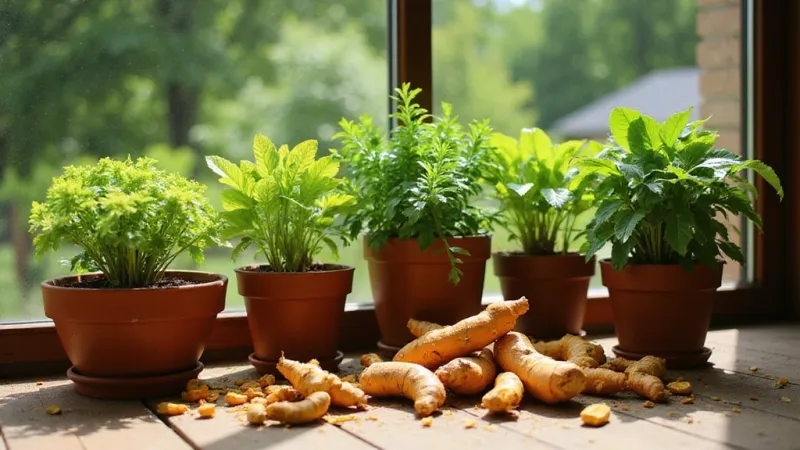
Photo: hands planting turmeric rhizomes in terracotta pots indoor home garden sunlight, via gardeningdream.com
Somewhere between the seed catalog and the supplement aisle, a quiet revolution is taking root — literally. Across the US, home gardeners are ditching the ornamental and going purposeful, planting healing spices that pull directly from a centuries-old Balinese tradition called the pekarangan. It's a concept so elegant in its simplicity that it almost feels radical in the context of modern American life: grow what heals you, right outside your door.
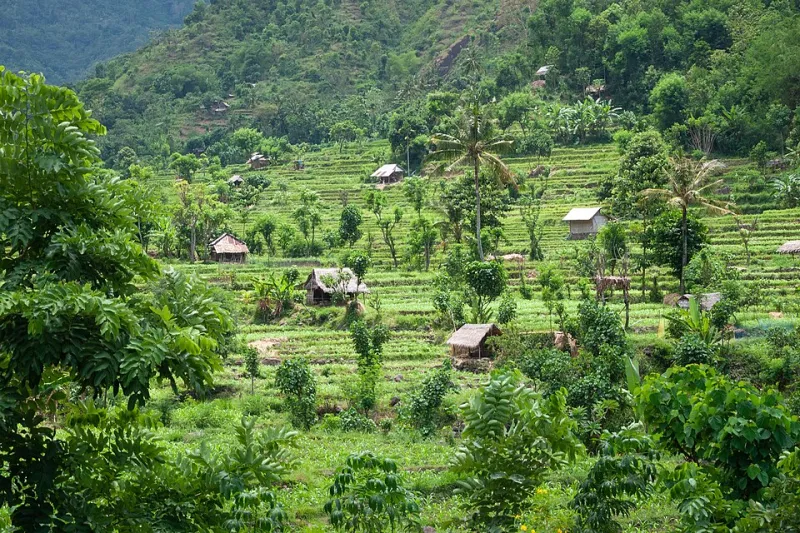
The pekarangan — a layered, multi-purpose home garden surrounding a traditional Balinese compound — isn't organized the way a Western kitchen garden typically is. There are no neat rows, no color-coded plant markers. Instead, it operates as an ecosystem, with medicinal herbs, fruit trees, edible flowers, and spice plants living in intentional relationship with one another. Every plant earns its place not just by tasting good, but by serving the body and the household.
That philosophy is landing hard with American gardeners who are increasingly fed up with fragile monocultures, expensive organic grocery bills, and the creeping sense that they've lost touch with where their food actually comes from.
What Is the Pekarangan, Really?
Think of the pekarangan less as a garden and more as a living kitchen cabinet. In Balinese culture, these home plots have historically supplied families with everything from daily cooking ingredients to ceremonial offerings to first-line remedies for common ailments. Turmeric root gets dug up for golden milk and anti-inflammatory pastes. Lemongrass is snipped for broths and digestive teas. Galangal — a close, more pungent cousin of ginger — goes into spice blends and traditional healing preparations.
What makes this model so adaptable for American households is that it doesn't require acreage. A well-designed pekarangan-inspired setup can thrive in a raised bed, a cluster of containers on a sunny apartment balcony, or even a south-facing windowsill in a Chicago high-rise. The key is intentionality — choosing plants that do double or triple duty, and learning to tend them with a little more attention than you'd give a standard herb pot.
The Four Spices to Start With
Turmeric (Curcuma longa) is probably the most accessible entry point for American gardeners. It grows from rhizomes (the knobby underground stems you might recognize from the produce section), thrives in containers, and genuinely doesn't ask for much beyond warmth, indirect light, and consistent moisture. In USDA zones 8–11, it can go outside. Everywhere else — think the Midwest, the Northeast, the Pacific Northwest — it does beautifully indoors under a grow light or near a bright window. Harvest season typically runs late fall when the leaves begin to yellow. Fresh turmeric root has a brightness that dried powder simply can't match.
Galangal (Alpinia galanga) is turmeric's more assertive cousin, with a piney, almost citrusy bite that's foundational in Southeast Asian cooking and Balinese healing traditions. It's slightly trickier to source as a starter rhizome — check Asian grocery stores or specialty online nurseries — but once established, it's a generous grower. It prefers humidity, so if your home runs dry in winter, a pebble tray with water under the pot goes a long way.
Lemongrass (Cymbopogon citratus) is arguably the most forgiving of the bunch. You can actually root grocery-store stalks in a glass of water on your counter before potting them up. It loves full sun and grows enthusiastically in warm months. In colder climates, bring it indoors before the first frost and treat it like a houseplant until spring. The stalks are endlessly useful — in teas, soups, marinades, and DIY cleaning sprays.
Kencur (Kaempferia galanga), sometimes called aromatic ginger or sand ginger, is less commonly known in the US but deeply embedded in Balinese wellness culture. It's used in traditional jamu tonics and has a distinctly floral, slightly medicinal flavor. It's a lower-growing plant that actually prefers partial shade, making it a good candidate for spots that don't get full sun. Look for rhizomes at Southeast Asian markets or through specialty herb suppliers online.
Setting Up Your Space
You don't need a sprawling yard to make this work. A south-facing windowsill with supplemental grow lighting can sustain a surprisingly productive little pekarangan. Here are a few principles borrowed directly from Balinese gardening philosophy that translate well to American home setups:
- Layer your plants. Taller growers like lemongrass can shade lower, shade-tolerant plants like kencur. Think vertically, not just horizontally.
- Compost religiously. Balinese gardens are fed by household organic waste. Even a small countertop compost bin can supply meaningful nutrition to container plants.
- Grow for relationship, not just harvest. Part of what makes the pekarangan work culturally is that tending it is a daily, relational act — not a weekend chore. Spending five minutes a day with your plants changes how you relate to them and, honestly, how they grow.
- Companion plant where you can. Marigolds deter pests and are used in Balinese ceremony. Basil — especially the Thai holy basil variety (tulsi) — repels insects and doubles as a potent adaptogen.
The Wellness Angle That Makes It Worth It
This isn't just about saving money on spices (though you will). Growing your own healing herbs creates a feedback loop that's genuinely hard to replicate any other way. When you tend a turmeric plant through its full growing cycle, you understand it differently. You're more likely to use it. You're more likely to experiment with it in your cooking. And in doing so, you start building the kind of consistent, low-dose relationship with anti-inflammatory, digestive, and immune-supportive plants that Balinese wellness culture has always understood to be the point.
The pekarangan was never about dramatic cures or trendy supplements. It was about weaving plant medicine so seamlessly into daily domestic life that supporting your health became as unremarkable — and as essential — as cooking dinner.
That's the revolution American home gardens are slowly waking up to. And it starts with a rhizome, a pot of good soil, and a window that gets decent light.
Ready to start your own pekarangan-inspired garden? Browse our curated guides on companion planting and soil health in the Sustainable Growing section, and let us know what you're growing this season in the comments below.