Buy Whole, Cook Better: How a One-Time Balinese Spice Haul Beats Your Grocery Store Spice Rack All Year
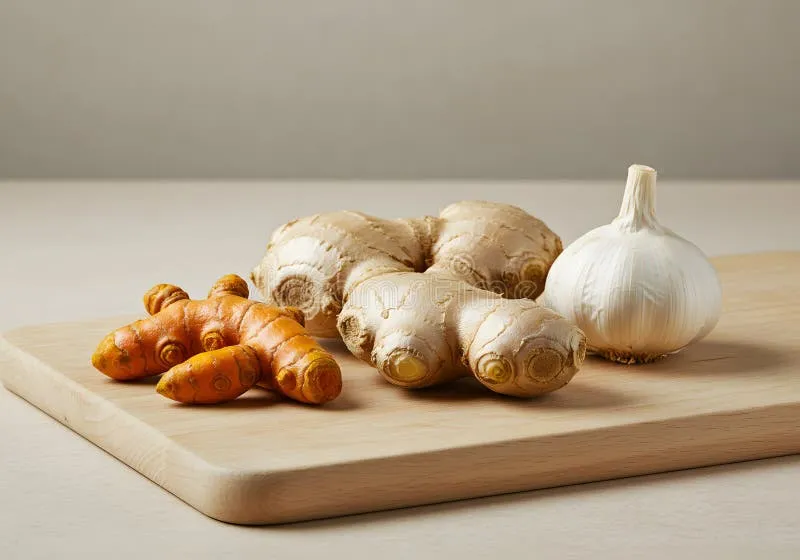
Photo: whole turmeric galangal ginger and spices on wooden cutting board, via thumbs.dreamstime.com
Let's do a quick inventory. How many jars are in your spice cabinet right now with a layer of dust on the lid? How many were bought for one recipe, used once, and then quietly forgotten? How much did you pay for all of them?
Now consider this: a single, intentional purchase of whole Balinese aromatics — the kind of foundational ingredients that anchor an entire culinary tradition — can cost you less than a week of coffee shop visits and last you the better part of a year. Not because you'll use less of them, but because whole spices hold their potency dramatically longer than the pre-ground versions filling most American kitchen cabinets.
This is the spice logic of Balinese cooking, and it's worth stealing completely.
Why Whole Beats Ground, Every Time
The essential oils in spices — the compounds responsible for flavor, aroma, and in many cases, therapeutic benefit — begin oxidizing the moment a spice is ground. A jar of pre-ground turmeric sitting on a store shelf for six months has lost a substantial portion of its curcumin potency and most of its volatile aromatic compounds. You're essentially paying for color at that point.
Whole rhizomes, seeds, and bark protect those oils inside their cellular structure until the moment you break them down. A fresh piece of galangal grated directly into a paste is a completely different ingredient from the pale yellow powder in a plastic jar. Same plant. Radically different experience.
Balinese cooking is built on this principle. The foundational spice pastes — particularly base gede and its variations — call for whole fresh or dried aromatics that are ground by hand immediately before use. The resulting depth of flavor is not achievable any other way.
The Core Balinese Spice Investment: What to Buy
You don't need to source every ingredient in a Balinese spice market to build a genuinely useful foundation. Start with these seven:
Fresh or frozen turmeric root. Not ground. Not capsules. The actual rhizome, which you can find at Asian grocery stores, some farmers markets, and increasingly at Whole Foods and co-ops. Fresh turmeric freezes beautifully and grates straight from frozen. Buy a pound for around $4–6. That's months of use.
Fresh galangal. Galangal looks like ginger's more assertive cousin and tastes like pine, citrus, and pepper had a very interesting conversation. It's foundational to Balinese cooking and unavailable in any meaningful form as a powder. Find it at Southeast Asian grocery stores or order online. A half-pound runs about $5–8 and freezes well.
Fresh ginger. You probably already buy this. Buy more of it at once. A large hand from a farmers market or Asian grocery store costs $2–4 and keeps for weeks in the fridge or indefinitely in the freezer.
Whole coriander seed. One of the most underrated spices in American kitchens. Toast and grind as needed. A quarter-pound from a bulk spice supplier costs around $3–5 and will last most home cooks six months to a year.
Whole cumin seed. Same logic. Toast it. Grind it yourself. The difference from pre-ground is not subtle. Bulk quarter-pound: $3–4.
Whole black pepper. If you're still buying pre-ground black pepper in a canister, this is the single easiest upgrade you can make. A good pepper mill and a half-pound of whole peppercorns from a reputable source: around $8–12 total. You will never go back.
Dried candlenut or macadamia nut. Candlenut (kemiri) is a Balinese staple that adds body and richness to spice pastes. It's not always easy to find in the US, but macadamia makes a solid substitute. A small bag runs $6–10 and goes a long way.
The Cost Comparison That Actually Stings
Let's run the numbers honestly. The average American spice rack purchase — a small jar of pre-ground spice from a major grocery brand — runs about $5–8 per jar for roughly 1–2 ounces. That's $40–80 per pound for something that's already lost most of its potency.
A pound of whole coriander seed from a reputable bulk spice supplier? Around $10–15. A pound of whole cumin? Similar. These are ingredients at peak potency that you'll grind as needed, meaning you use less to achieve the same (actually better) flavor impact.
Now add your daily coffee shop habit. A $6 latte, five days a week, is $120 a month. The entire Balinese spice foundation described above — enough to last a household of two to four people for six months to a year of serious cooking — comes in well under $60 if you source thoughtfully.
Where to Actually Source Quality Ingredients
Not all bulk spice suppliers are equal. Look for companies that disclose their sourcing, indicate harvest dates or freshness windows, and ideally source directly from small farms. A few worth exploring: Diaspora Co. (which sources single-origin spices directly from South Asian farmers with transparent pricing), Burlap & Barrel (similar model, exceptional quality), and your local South or Southeast Asian grocery store, which often has fresher whole spices at lower prices than any mainstream retailer.
For fresh rhizomes — turmeric, galangal, ginger — local Asian grocery stores are almost always your best option. Prices are lower, turnover is faster, and you're supporting community-rooted businesses in the process.
Storing It All Without Losing the Plot
Whole spices are forgiving to store. Keep seeds and dried spices in airtight glass jars away from heat and direct light. A cool, dark cabinet is ideal — not directly above the stove, which is where most American spice racks live and where heat and steam do the most damage.
Fresh rhizomes keep in the refrigerator for two to three weeks and in the freezer essentially indefinitely. Label everything with a purchase date. Rotate through your stock. Use things.
The Balinese kitchen doesn't treat spices as background noise. They're the architecture of the meal — the reason a simple vegetable dish tastes like it took hours of intention. Building that foundation in your own kitchen doesn't require a trip to Bali or a specialty food budget.
It requires one good shopping trip and the decision to stop buying dust.