Cold Storage Is a Shortcut—Here's What Balinese Kitchens Do Instead
There's a particular kind of food anxiety baked into American kitchen culture. It shows up every Sunday when you're portioning leftovers into labeled containers, stacking them in a freezer already crowded with last month's soup and a bag of edamame you keep meaning to use. The freezer feels like a safety net. But in Balinese cooking tradition, that net was never strung up in the first place—and the food didn't fall.
For generations, Balinese home cooks have relied on a trio of preservation strategies that work with the island's tropical rhythms rather than against them: fermentation, dehydration, and intentional crop timing. The result isn't just shelf-stable food. It's food that's often more nutritious, more flavorful, and more connected to the season it came from. If you're serious about reducing food waste and actually enjoying what you eat, this approach is worth your full attention.
Why the Freezer Lies to You
Freezing preserves food by essentially pressing pause on biological activity. It works. But it also strips texture, dulls nuanced flavors, and—let's be honest—creates a graveyard of good intentions. Studies from food science labs have confirmed what any home cook already suspects: ice crystal formation damages cell walls in fruits, vegetables, and proteins, and the thaw often leaves you with something mushier and flatter than what you started with.
Balinese kitchens sidestep this entirely. The philosophy isn't "how do I store this longer?" It's "how do I transform this into something that lasts without losing what makes it good?"
That's a fundamentally different question, and it leads to fundamentally different answers.
Fermentation as Flavor Preservation
In Bali, fermentation isn't a trend. It's infrastructure. Tempeh—made from soybeans bound together by Rhizopus mold—originated in Java and spread throughout the Indonesian archipelago as a protein preservation strategy long before refrigeration existed. In Balinese cooking, fermented preparations extend the life of everything from fish to vegetables to coconut.
Urutan, a Balinese fermented sausage seasoned with turmeric, galangal, and palm sugar, is one of the more striking examples. The fermentation process doesn't just preserve the meat—it creates entirely new flavor compounds that a frozen sausage could never replicate. The same principle applies to fermented black rice wine (brem), which transforms surplus rice into something with shelf life measured in months.
For American home cooks, the entry point is simpler than you might think. Lacto-fermented vegetables—cabbage, carrots, green beans—require nothing more than salt, water, and time. A jar of fermented jalapeños or shredded beet can sit on your counter for weeks, improving daily, instead of slowly degrading in your crisper drawer. The lactic acid produced during fermentation is both a natural preservative and a gut-health powerhouse, something Balinese communities understood intuitively long before the probiotic supplement industry came along.
Drying: The Oldest Pantry in the World
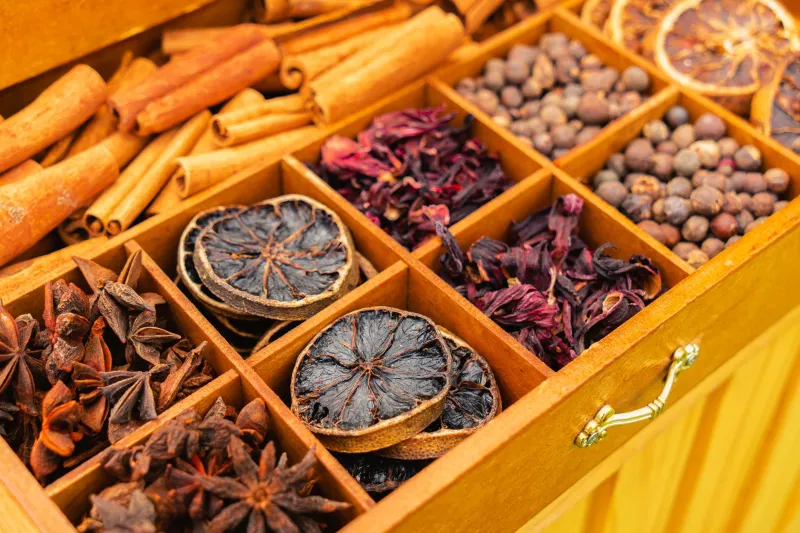
Sunlight is free in Bali, and Balinese cooks have always used it liberally. Spices, herbs, chilies, fish, and even cooked rice get spread on woven mats or bamboo racks and left to dry in the open air. The process concentrates flavor dramatically—dried galangal is more intensely aromatic than fresh, dried chilies carry a smokier, more complex heat, and sun-dried fish develops an umami depth that no freezer could manufacture.
In the American context, you don't need tropical sun to make this work. A food dehydrator—or even your oven set to its lowest temperature with the door cracked—can dry herbs, citrus peels, mushrooms, and hot peppers efficiently. A handful of dried shiitakes from your fall farmers market will last through winter and flavor soups with more complexity than their frozen counterparts. Dried lemon zest, stored in a small jar, becomes a pantry staple you'll reach for constantly.
The key shift is mental: instead of thinking "I need to freeze this before it turns," start thinking "I can dry this and make it better."
Strategic Crop Timing: The Preservation That Starts in the Ground
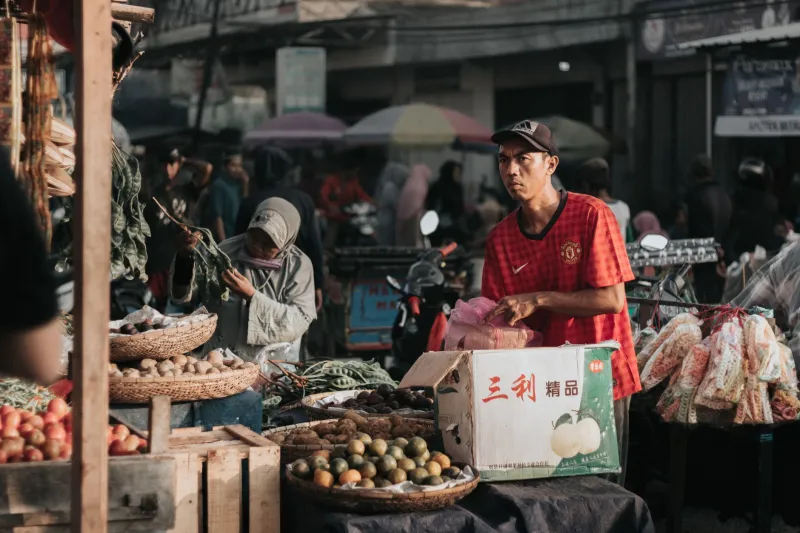
Perhaps the most overlooked preservation strategy in Balinese agriculture is the one that happens before harvest. The Balinese subak system—a cooperative network of water temples and irrigation channels—allows farmers to coordinate planting schedules so that different crops come to harvest at different times across a community. No single household is overwhelmed with abundance all at once, and nothing sits around long enough to require cold storage.
This is preservation by design, not by reaction.
American home gardeners and CSA members can apply a version of this logic. Succession planting—sowing small amounts of the same crop every two to three weeks rather than all at once—means your lettuce, radishes, and herbs mature in manageable waves. You harvest what you need, when you need it. The garden becomes its own living pantry, and the freezer becomes less necessary by default.
If you're buying from a farmers market rather than growing your own, talk to your vendors about what's coming up in the next few weeks. Plan your kitchen around the harvest calendar rather than your convenience. It sounds small, but it rewires how you shop, cook, and waste.
Making the Shift in Your Kitchen
You don't need to throw out your freezer. But you can start using it less by building a few Balinese-inspired habits:
- Keep a fermentation jar going at all times. Rotate what goes in based on what's about to turn. Carrot tops, slightly soft peppers, and extra garlic are all fair game.
- Dry your herbs instead of freezing them. Tie bundles and hang them near a window, or use a dehydrator. Dried herbs store beautifully in small glass jars and taste more concentrated than frozen.
- Buy less, more often. The Balinese market model of daily small purchases keeps food fresher and reduces the psychological pressure to freeze everything "just in case."
- Learn one fermented condiment. A simple chili-garlic paste fermented for three days will outlast anything in your fridge and upgrade every meal you make.
The Balinese kitchen doesn't preserve food despite lacking a freezer. It preserves food better because of that absence. The constraint created the craft. And that craft—patient, sensory, rooted in transformation rather than stasis—is available to any American cook willing to slow down enough to use it.