One Herb, Seven Days: The Balinese Way of Making an Ingredient Last All Week
Most American cooks buy a bunch of cilantro, use a tablespoon of it, and watch the rest go yellow in the back of the fridge. Or they grab a knob of fresh turmeric for one recipe and forget it exists until it's a shriveled, sad little nub two weeks later. It's not a character flaw—it's a system failure. The American grocery model sells you volume. Balinese cooking tradition teaches you depth.
In Bali, a single herb or root isn't a supporting actor in one dish. It's a protagonist that plays different roles across an entire week of cooking. Fresh one day. Cooked down the next. Brewed into something medicinal by Thursday. Dried and stored before the week is out. Nothing wasted. Everything transformed.
Here's how to apply that philosophy to five herbs you can find at any decent farmers market or natural grocery store in the US—and exactly what to do with each one across a full week.
Lemongrass: From Stalk to Steam
Lemongrass is a cornerstone of Balinese cooking, and it behaves completely differently depending on how you prepare it. Buy a bundle of six to eight stalks and you've got a week of layered flavor ahead of you.
Day 1–2 (Fresh): Bruise the lower third of two stalks and add them whole to a pot of jasmine rice while it cooks. Remove before serving. The rice picks up a subtle citrus fragrance that makes plain grains feel intentional and bright.
Day 3–4 (Cooked): Slice the tender inner core of two more stalks thinly and sauté them with shallots, garlic, and a pinch of chili flake as a base for a simple coconut milk soup or a stir-fry sauce. Cooking mellows lemongrass's sharpness into something warm and round.
Day 5–6 (Brewed): Roughly chop two stalks, steep them in boiling water for ten minutes, and you've got a digestive tea that Balinese jamu tradition has used for centuries to ease bloating and support liver function. Add a squeeze of lime and a small drizzle of raw honey.
Day 7 (Preserved): Slice any remaining stalks into thin coins and spread on a baking sheet in your oven at 170°F for two to three hours. Store dried pieces in a sealed jar. They'll rehydrate beautifully in soups and broths for the next two months.
Turmeric: The Root That Does Everything
Fresh turmeric is one of the most underutilized roots in American kitchens, mostly because people don't know what to do beyond golden milk. Balinese cooks know better.
Days 1–2 (Fresh, Grated): Grate a tablespoon of fresh turmeric into a simple salad dressing—olive oil, lime juice, grated turmeric, a pinch of black pepper. The pepper activates turmeric's curcumin for better absorption. This is anti-inflammatory eating that doesn't taste like a supplement.
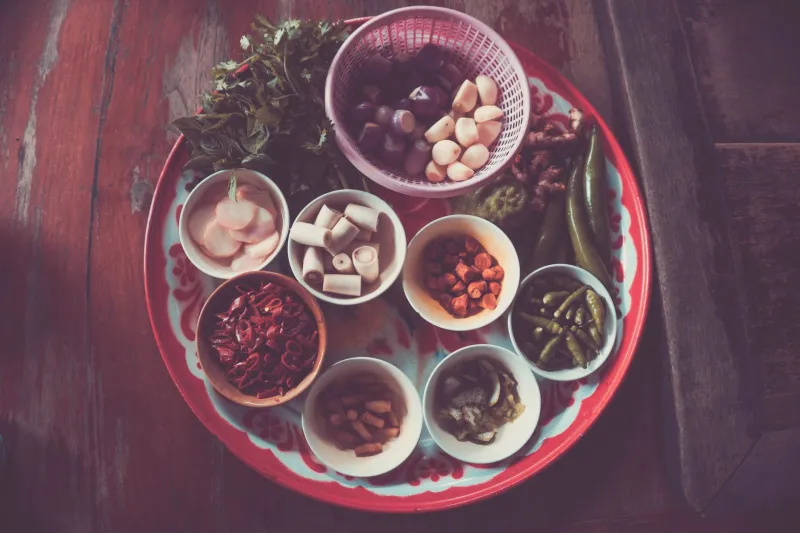
Days 3–4 (Cooked into a Base): Blend a two-inch piece of turmeric with shallots, garlic, and galangal (if you can find it) into a paste and fry it in coconut oil until fragrant. This becomes the flavor foundation for a week's worth of grain bowls, roasted vegetables, or braised chickpeas.
Days 5–6 (Brewed as Tonic): Simmer sliced turmeric with ginger, cinnamon, and a small piece of tamarind in water for fifteen minutes. Strain, sweeten lightly with coconut sugar, and drink warm. This is a simplified version of jamu kunyit asam, one of the most beloved wellness tonics in Balinese and Javanese tradition.
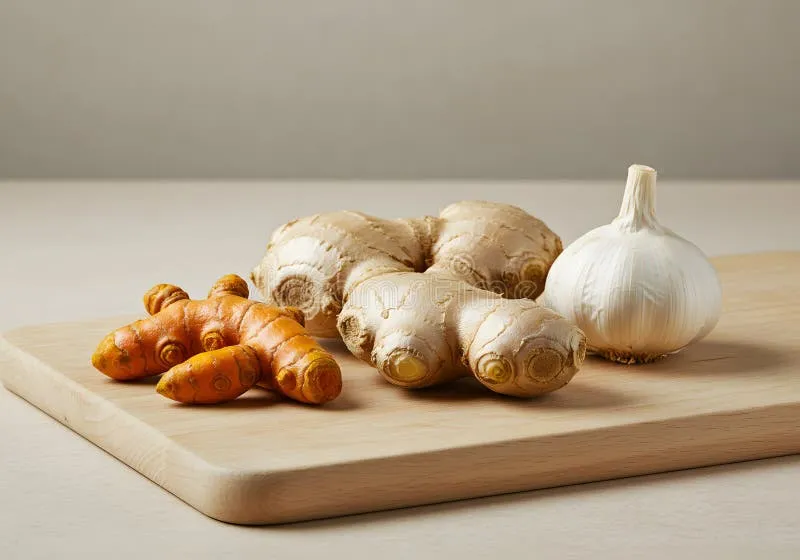
Day 7 (Dried and Stored): Slice remaining turmeric paper-thin and dehydrate until brittle. Grind into powder in a spice grinder. Your homemade turmeric powder will be more vivid in color and more potent in flavor than anything from a grocery store spice aisle.
Kaffir Lime Leaves: The Herb Most Americans Throw Away
Kaffir lime leaves—increasingly sold at Asian grocery stores and some farmers markets across the US—are treated in Bali the way bay leaves are treated in French cooking: as something that transforms a dish from background to foreground. But unlike bay leaves, they have multiple useful lives.
Days 1–2 (Fresh, Torn): Tear two leaves in half and add to coconut milk curries or rice dishes. The torn edges release more essential oil than whole leaves. Remove before eating, or slice very finely and leave in.
Days 3–4 (Infused into Oil): Gently warm four leaves in a quarter cup of coconut oil over low heat for twenty minutes. Strain out the leaves. The resulting oil is extraordinary drizzled over steamed vegetables, grilled fish, or stirred into mashed sweet potato.
Days 5–6 (Brewed into Tea): Three leaves steeped in hot water for eight minutes make a calming herbal tea. In Balinese wellness tradition, kaffir lime is associated with nervous system support and mental clarity. It tastes clean and slightly floral.
Day 7 (Frozen for Later): Kaffir lime leaves freeze beautifully—one of the few cases where freezing actually makes sense. Layer remaining leaves flat in a zip-lock bag and they'll keep their flavor for three months. Pull them out directly into your next curry.
Galangal: The Ginger That Isn't Ginger
Galangal looks like ginger's tougher, more resinous cousin, and in Balinese cooking it's used at every meal. Its flavor is piney, citrusy, and slightly medicinal in the best possible way.
Days 1–2 (Fresh, Sliced): Add thick slices to a broth and simmer for twenty minutes. Remove the slices before serving—galangal is too fibrous to eat raw—but the broth will carry its warmth deeply.
Days 3–4 (Pounded into Paste): Peel and roughly chop a two-inch section, then pound it with garlic and shallots using a mortar and pestle. This paste fries into the base of almost any Balinese-inspired dish and delivers a complexity that pre-ground galangal powder simply can't match.
Days 5–7 (Dried and Powdered): Slice remaining galangal thinly and dry thoroughly. Once brittle, grind into a coarse powder and store. Use it in spice rubs, hot drinks, or broth bases. It keeps for six months and gets better as it ages.
The Principle Behind the Practice
What makes this approach Balinese isn't just the herbs—it's the underlying mindset. Every ingredient is treated as something with multiple dimensions, not a single-use item. Fresh applications capture volatile aromatics. Cooking unlocks deeper, fat-soluble compounds. Brewing draws out water-soluble nutrients and medicinal properties. Drying concentrates and preserves what's left.
This isn't frugality for its own sake. It's a sophisticated understanding of how flavor and nutrition actually work—built into the everyday cooking culture of a community that has never had the luxury of waste.
Start with one herb this week. Buy a little more than you think you need, and commit to using every part of it in a different way before Sunday. Your grocery bill will thank you. Your dinner table will too.