Water as a Ritual: What Bali's Blessing Ceremonies Are Teaching Americans About How We Drink
Somewhere between the $8 electrolyte packet and the smart water bottle that syncs to your phone, we lost the thread. We turned hydration into a productivity metric — something to optimize, track, and hack. Drink half your body weight in ounces. Add minerals. Add collagen. Add adaptogens. Stay ahead of thirst.
And yet, for all our obsession with the perfect hydration protocol, a lot of us still feel vaguely depleted. Tired in ways that no amount of water seems to fix.
Maybe that's because we've been thinking about this all wrong.
In Bali, Water Is Never Just Water
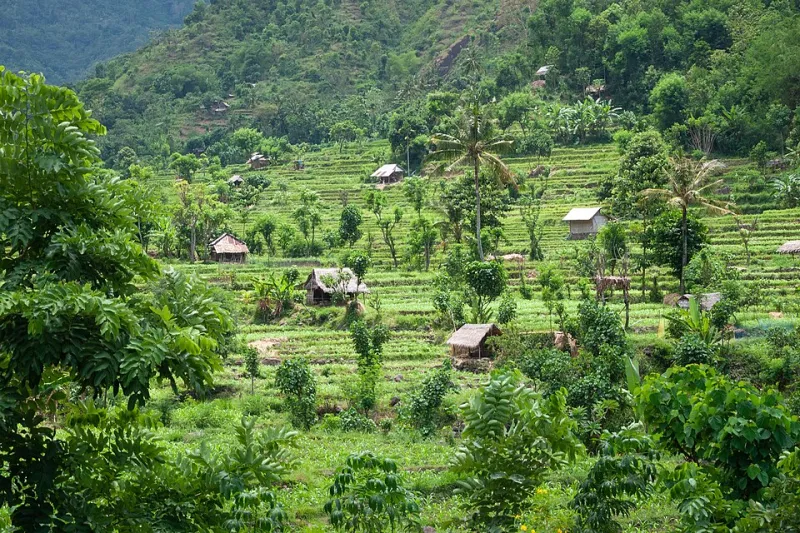
The Balinese relationship with water is one of the most quietly profound things about the island's culture. Water — called tirta in the sacred context — is understood as a living, spiritually active substance. It carries energy. It can be blessed, purified, and intentionally directed. And it is treated, always, with reverence.
The most visible expression of this is melukat — a purification ceremony performed at water temples, springs, and rivers across the island. Participants immerse themselves in sacred water while a priest chants mantras and offers prayers, with the intention of cleansing spiritual impurities and restoring energetic balance. Some of Bali's most important melukat sites, like Tirta Empul near Ubud, have been active for over a thousand years.
But the reverence for water doesn't stop at the temple gate. It shows up in daily life in smaller, quieter ways — the careful way offerings are placed near irrigation channels, the gratitude expressed before drinking, the understanding that water connects the physical and spiritual worlds in ways that are constant and ongoing.
This isn't mysticism for its own sake. It's a cultural framework that keeps people in a fundamentally different relationship with one of the most essential substances on earth.
Why This Is Landing So Hard in American Wellness Culture Right Now
The timing makes sense when you look at what's happening in the American wellness space. There's a growing fatigue with purely transactional approaches to health — the idea that every practice needs a measurable ROI, that every supplement needs a clinical trial, that the body is essentially a machine to be optimized.
More and more people are looking for something that feels less like a protocol and more like a practice. Something that connects physical well-being to meaning, to slowness, to the kind of presence that modern life keeps eroding.
Enter the Balinese water blessing concept — and the broader idea that how we relate to water matters as much as how much of it we drink.
You can see this shift happening in small ways across the country. Breathwork facilitators in Portland are incorporating water blessings into their sessions. Yoga studios in Brooklyn are offering melukat-inspired ceremonial water experiences. Wellness retreat centers in the Hudson Valley are building morning water rituals into their programming. It's not a mainstream trend yet, but it's gathering real momentum among people who are genuinely hungry for depth.
The Science Doesn't Hurt, Either
Here's the thing about intention and water that tends to make skeptics uncomfortable: there's actually a body of research suggesting that our psychological state while drinking — our stress levels, our attention, our sense of gratitude — can influence how our bodies process and use what we consume.
We know that chronic stress impairs digestion and nutrient absorption. We know that eating or drinking in a hurried, distracted state activates the sympathetic nervous system in ways that are genuinely counterproductive. We know that mindfulness practices reduce cortisol and support the parasympathetic nervous system — the one that governs rest, digestion, and cellular repair.
So when Balinese tradition says that receiving water with gratitude and presence transforms its effect on the body, Western physiology doesn't actually contradict that. It just uses different language for it.
You don't have to believe in the metaphysics to benefit from the practice. Slowing down, breathing, expressing gratitude, and drinking with full attention — these things have measurable effects on the nervous system, regardless of your spiritual framework.
What a Daily Water Ritual Can Actually Look Like
The beauty of drawing from Balinese water practice is that it doesn't require a pilgrimage to Tirta Empul. It requires attention and intention — both of which are free and available right now, wherever you are.
Here are some accessible ways to build a more intentional relationship with water, inspired by Balinese philosophy:
Start your morning differently. Before you check your phone, before coffee, before anything — drink a full glass of water slowly and deliberately. Hold the glass for a moment. Take a breath. If it resonates with you, say something simple: thank you. Notice the temperature, the weight of the glass, the sensation of drinking. This takes thirty extra seconds and it changes the tone of your entire morning.
Bring your water source into your awareness. One of the things Balinese water culture does beautifully is maintain awareness of where water comes from — the spring, the river, the mountain. In America, that connection is easy to lose. Consider filtering your tap water at home (a sustainable alternative to bottled water) and taking a moment to acknowledge the infrastructure, the watershed, the rain cycle that made it possible. It sounds small. It isn't.
Create a vessel that matters to you. In Balinese ceremony, the containers used for sacred water are chosen with care. You don't have to go out and buy something expensive, but drinking from a glass or vessel that you actually like — that feels good in your hands — is a small act of honoring the practice.
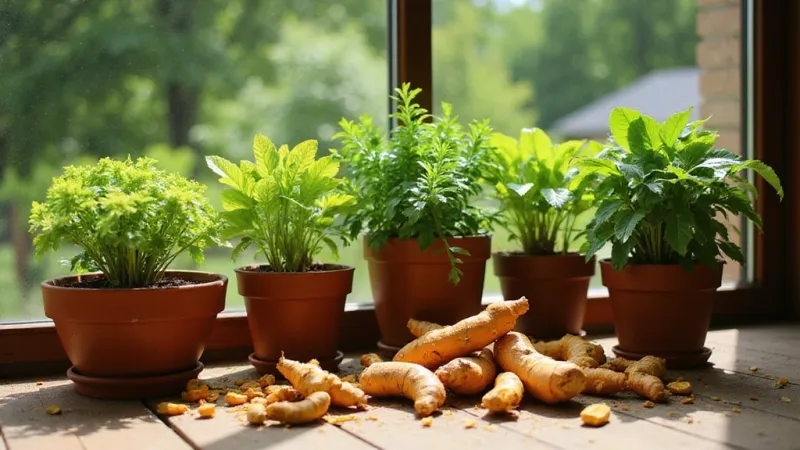
Infuse your water with plants. This is where Balinese herbalism and water ritual intersect in a way that's deeply practical for American kitchens. Infusing water with fresh herbs like tulsi (holy basil), lemongrass, or mint is a traditional practice in Bali that serves both flavor and medicinal purposes. It also gives you a moment of engagement — choosing, washing, and adding the plants — that turns hydration into something intentional.
Slow down before you drink. This is the simplest and most radical one. Just pause. One breath before you pick up the glass. You're not performing a ceremony. You're just remembering, for one second, that you're a living body that needs water, and that this is something worth acknowledging.
Beyond the Electrolyte Packet
None of this is to say that electrolytes are useless or that there's no value in understanding your body's mineral needs. There absolutely is. But what Balinese water culture offers is a reminder that hydration is not just a biochemical transaction — it's a relationship.
And like all relationships, it gets better when you show up for it with presence.
The wellness industry will keep selling you new and better ways to optimize your water. But the oldest wisdom on this subject isn't in a packet or a bottle. It's in the understanding that water is sacred, that it deserves your attention, and that receiving it with gratitude might be the most nourishing thing you can do — for your body, and for your sense of being alive in the world.
That's a practice anyone can start today. No subscription required.