No Oven Required: What a Balinese Stovetop Kitchen Can Do for Your Energy Bill

Photo: Balinese woman cooking on stovetop with wok and bamboo steamer in traditional kitchen, via as2.ftcdn.net
Preheat to 425°F. We do it on autopilot — a sheet pan of vegetables, a tray of chicken thighs, a frozen pizza on a Tuesday. But that instruction carries a line item nobody reads. A conventional electric oven running at 425°F draws roughly 2.5 to 3 kilowatt-hours over an hour of use, and that's before your air conditioner registers the extra heat bleeding into the room. In a lot of the country, summer cooking is an energy decision as much as a culinary one.
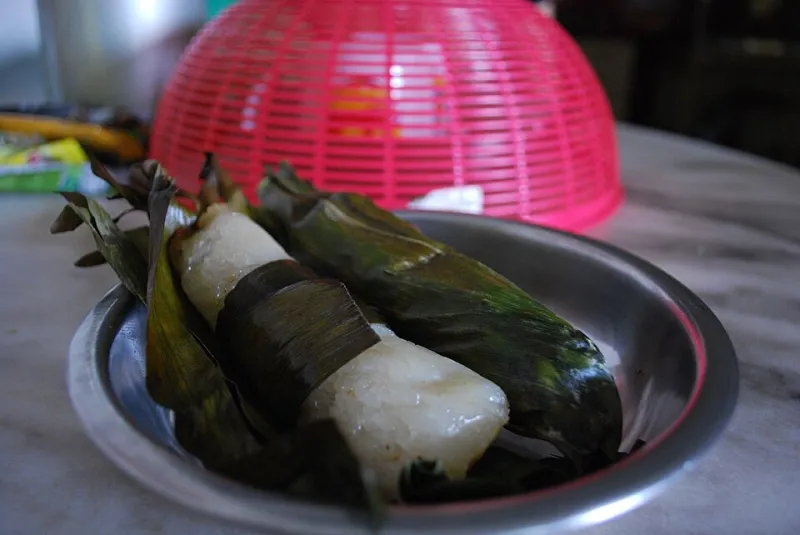
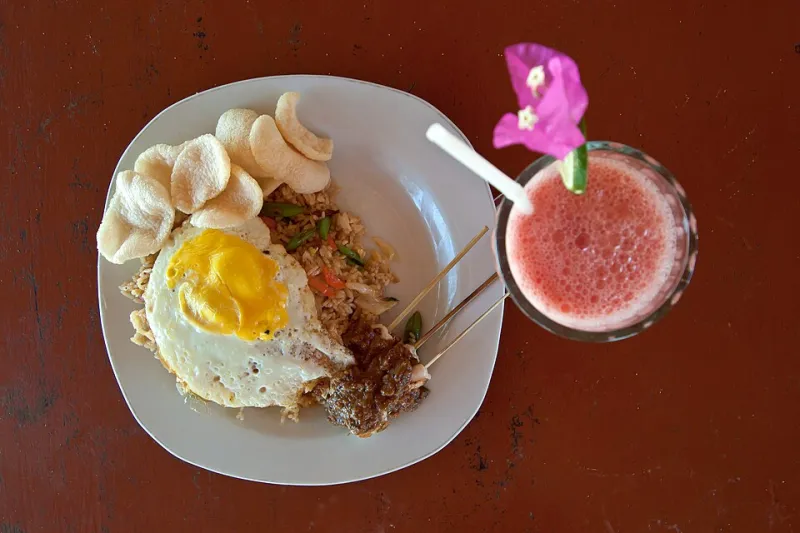
In Bali, most home kitchens never had an oven to begin with. That's not deprivation — it's a default, and the food that comes out of those kitchens is anything but limited. Steamed fish with lemongrass. Wok-seared greens with garlic and chili. Fish wrapped in banana leaf and charred over a flame. A pot of coconut-braised jackfruit that's been murmuring on the burner since mid-morning.
So before you replace your range or talk yourself into a countertop convection toy, it's worth asking what the stovetop alone can actually do. The answer, it turns out, is almost everything.
What's Actually in a Balinese Home Kitchen
Walk into a family compound kitchen in Ubud and you'll find a two-burner gas hob, sometimes a clay wood-fired stove (paon) in the older houses, a wok, a bamboo steamer rack that sits inside a pot, a mortar and pestle, a couple of heavy pans, and a stack of banana leaves. That's the whole apparatus.
Notice what's missing: no thermostat, no timer, no oven window to peer through. Which means the cook reads the food instead of the dial. That single shift — from trusting a number to trusting your senses — is where most of the flavor comes from, and it's also where most of the energy savings hide.
Steam Is the Most Underrated Tool You Own
A steamer does the work Americans usually assign to a 400°F oven, and it does it with one burner and a lid. Steaming fish takes eight to ten minutes and leaves it silkier than any roasting method. Steaming potatoes, squash, or corn keeps the texture clean instead of leathery at the edges. And because steam transfers heat far more efficiently than dry air, the food is done faster.
The Balinese version of this is kukus — the same pot used for rice, with a bamboo or metal rack set inside. Layer aromatics under the food: lemongrass, lime leaves, sliced shallot, a bruised chili. The steam carries those flavors into whatever's on the rack. You get a seasoned dish without a marinade and without heating up the house.
Sear Hot, Sear Small
The wok rule explains a lot of mediocre home cooking: crowded pans steam instead of brown. In Bali, protein and vegetables go in small batches over a flame that's turned all the way up, then come out fast onto a plate while the next round goes in. Nothing gets a chance to weep onto the pan and boil itself.
This works against the American instinct to cook one enormous batch and be done with it. But the smaller-batch method also means the burner runs for less total time — three short, hot bursts instead of one long, mediocre roast. High heat, dry surface, don't crowd it. That's the whole technique.
The Banana Leaf Is Your Broiler
Here's the move that surprises people most. Lay a banana leaf — or, stateside, a piece of parchment you're willing to let char, or a corn husk — directly on a dry cast-iron pan or a flat griddle over medium-high heat. Wrap a fillet, a chicken thigh, a few halved shallots. Press it down.
The leaf blisters and smokes, and the food inside picks up a green, faintly smoky edge that a broiler can't quite replicate. Total energy used: one burner, six to eight minutes. Total heat dumped into your apartment: negligible. Banana leaves are sold frozen at most Asian groceries for a few dollars a package, and they're endlessly reusable as a pan liner until they tear.
The Slow Simmer Costs Almost Nothing
A pot coming to a bare simmer on the smallest burner uses a small fraction of what an oven does over the same stretch of time — and the house stays cool. This is why so much Balinese cooking is built around long, gentle pots: sayur greens in coconut milk, bean and jackfruit stews, spice pastes that get bloomed slowly until the oil separates.
The technique asks for one thing in exchange: you have to be around. Put the pot on at four, check it at five, eat at six-thirty. It's not a hands-on method so much as a presence-based one, and honestly, that's part of the appeal.
What You Give Up (Not Much)
You lose crackling-skin roast chicken, and you lose the ease of a single sheet pan. You also lose the dry, even browning that only radiant heat delivers — though a stovetop sear followed by a short finish under a broiler (which runs for minutes, not an hour) gets you 90 percent of the way there for a fraction of the energy.
What you gain is speed, cool air, crispier vegetables, better-steamed fish, and a kitchen where the cook is tasting and adjusting rather than waiting on a number to beep.
Start With One Swap This Week
Pick a night you'd normally roast something. Steam it instead, with aromatics layered underneath. Keep a second burner free for a hot, fast sear. If you want the full effect, wrap the protein in a leaf and finish it on a dry pan while the vegetables steam.
You may find that the oven becomes what it is in most of Bali — a piece of equipment for special occasions, not a daily energy habit. And in a summer that keeps setting records, that's not a sacrifice. It's an upgrade.