Your Apartment Kitchen Is Too Small for Dinner—and That’s a Design Problem

Photo: communal community kitchen with shared table and people cooking together, via calendarquickly.com
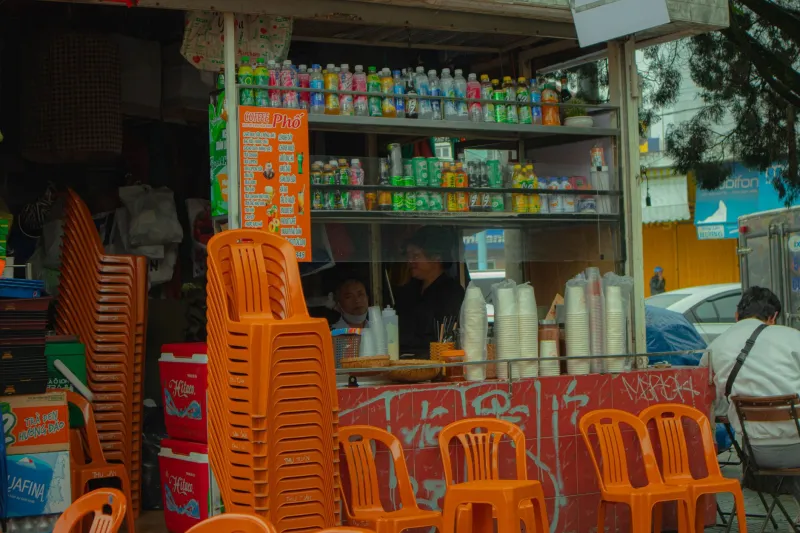
I have cooked dinner in an apartment kitchen so small that the refrigerator door could not open all the way. I have also eaten in Balinese compounds where cooking spills out of a private room and into a shared courtyard, where several people prep at once, where the work is visible and social. The difference is not just square footage. It is design.
In the US, we treat cooking as a private responsibility. If your kitchen is tiny, that is your problem. If you are tired, order delivery. If you cannot afford good ingredients, clip more coupons. This is a lonely way to eat, and it is an expensive one. In 2026, with rents high and grocery prices still pinching, American renters need more shared cooking infrastructure: communal prep kitchens, neighborhood pantries, and room to cook with other people.
Bali is not a utopia, but it is a useful mirror
Let me be clear: I am not romanticizing Bali. Communal cooking can come with smoke, crowding, uneven labor, and gender expectations that are not always fair. A shared courtyard is not automatically a feminist paradise. But the basic spatial fact is worth noticing. Cooking is often semi-public. It happens near other people. It is not banished to a private box behind a locked door.
In many American apartments, the kitchen is a hallway with a stove. You can make a single pot of pasta, but you cannot comfortably roll out dough, chop for a week, or host a friend who wants to learn a recipe. So cooking becomes a solo sprint, and then we wonder why so many people give up and order out.
The missing middle of food infrastructure
We have restaurants, and we have private kitchens. What we lack is the middle: shared cooking space that is neither a commercial kitchen nor a stranger's home. A neighborhood cooking room with several workstations, a few ovens, a big sink, and lockers for ingredients would change daily life for renters, students, older adults, and anyone living in a small unit.
Some cities already have community kitchens, but they are often geared toward food businesses or social service programs, not everyday cooks. That needs to change. A shared kitchen could be booked by the hour for meal prep. It could host a monthly cooking club. It could offer a canning station in late summer, a big table for dumpling night, and a pantry shelf where neighbors leave extra garden tomatoes.
Shared pantries stretch budgets and reduce waste
A shared pantry is not just a shelf of free cans. It can be a bulk-buying club. Ten neighbors split a 25-pound bag of rice, a case of olive oil, or a box of local apples. One person stores the dry goods; another tracks the spreadsheet. The savings are real, and so is the waste reduction. How many half-used jars of tahini or bags of lentils are dying in American cupboards right now?
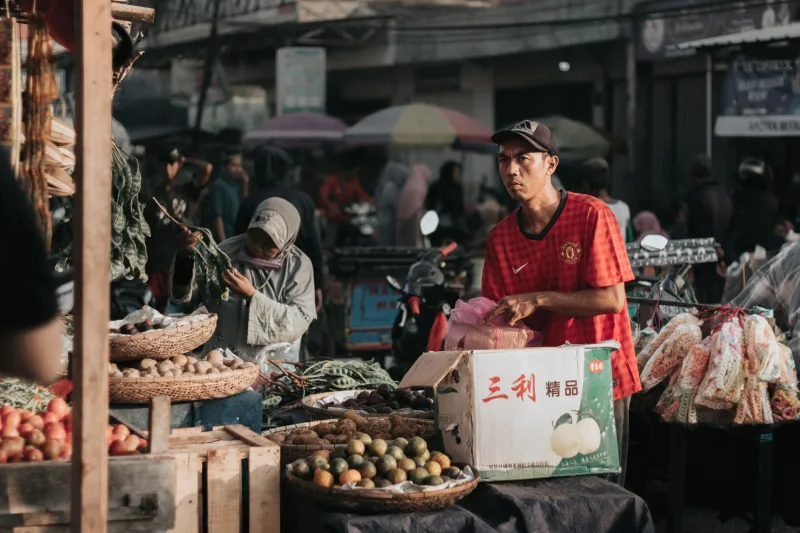
In Bali, market shopping and shared ingredients are woven into daily rhythms. You buy what is fresh, you cook it with what you have, and you share what you cannot finish. That is harder to do alone in a studio apartment. Shared pantry infrastructure makes the good habits possible again.
Loneliness is a food-system issue
We talk about loneliness as a mental health issue, which it is. But it is also a design issue. If every household cooks alone, eats alone, and stores food alone, then every meal is a private test of willpower. Communal cooking spaces do not solve loneliness by themselves. They simply create more chances for the small, repeated contact that makes a neighborhood feel real.
I am not arguing that everyone should cook in a group every night. I am arguing that the option should exist. A shared kitchen can be quiet. It can be a place to prep alone while someone else steams rice across the room. That low-level company is often enough.
What would make this work in the US
Cities and nonprofits can fund kitchen space in libraries, community centers, and affordable housing developments. Landlords can convert unused laundry rooms or basements. Food co-ops can add prep stations. Health departments can publish clear rules for shared residential kitchens instead of leaving everyone guessing. And renters can start smaller: a building-wide soup night, a borrowed church kitchen, a weekly preorder club that shares one pickup spot.
The point is not to import Bali wholesale. The point is to admit that the American apartment kitchen is often too small for the life we are asking it to hold. If we want people to cook more, waste less, and eat together, we have to build places for it. The missing ingredient is not a new recipe. It is a shared room with a big table and a stove that more than one household can use.